The African Mind: Redefining Resilience, Identity, and Healing in a Changing World
This article explores how Africa’s cultural heritage, spirituality, and collective resilience are redefining modern concepts of identity, healing, and psychological wellbeing. It highlights how traditional wisdom, community values, and new therapeutic approaches are shaping a more authentic African model of mental health in a rapidly changing world
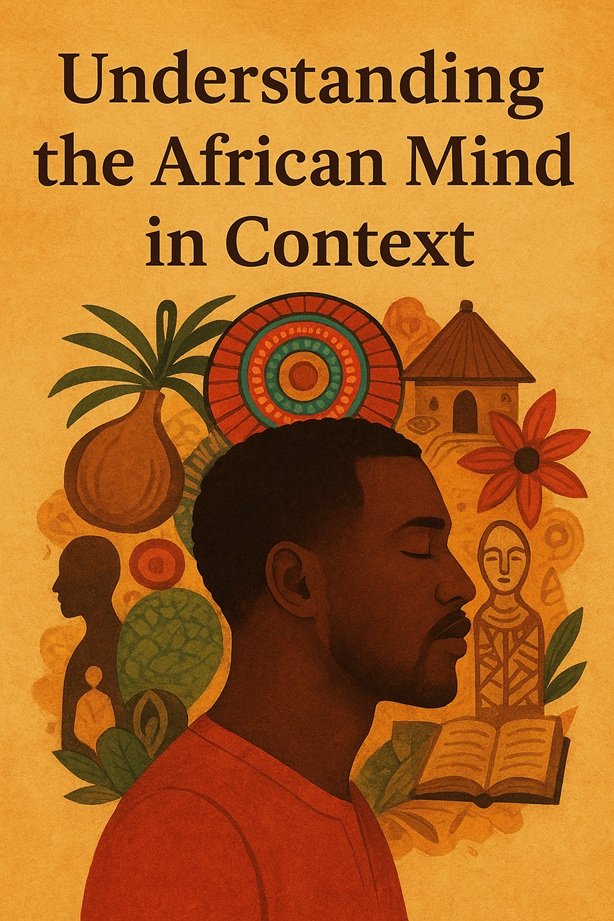
Introduction — Understanding the African Mind in Context
The African mind is not a single story but a living tapestry — woven from centuries of culture, spirituality, and resilience. It reflects a worldview where existence is defined by community, purpose is grounded in spirituality, and creativity often emerges from hardship. To understand the African mind is to appreciate Africa’s intricate relationship with faith, healing, and modern identity.
For generations, Africa’s mental world was interpreted through colonial eyes. Western psychiatry and anthropology frequently dismissed indigenous thought as primitive or irrational. Emotional experiences anchored in spirituality, ancestral reverence, and collective identity were pathologized rather than understood. In doing so, colonial systems did not just misinterpret the African psyche — they distorted it.
Today, that distortion can no longer stand. As Africa’s youth population races toward 830 million by 2050, the continent faces an urgent psychological crossroad. Rapid urbanization, global media, and digital transformation are creating new identities — and new forms of anxiety, burnout, and disconnection.
Understanding the African mind, therefore, is not about choosing between tradition and science. It is about integration — drawing on ancestral wisdom while embracing modern therapeutic insight. The next chapter of Africa’s mental wellness will be written by those who can hold both worlds: the sacred and the scientific, the communal and the clinical.
The Historical Construction of the African Mind
The African mind cannot be separated from the history that shaped it. During the colonial period, psychiatry was not a tool of healing — it was often a mechanism of control. Colonial asylums and hospitals defined African expressions of distress as signs of inferiority or madness, erasing complex indigenous systems of emotional care.
Before colonization, African societies already recognized the importance of mental and emotional balance. Healing took place in community gatherings, through ritual, storytelling, and spiritual guidance. Emotional distress was viewed as a disruption in relationships — between people, spirits, or nature — and treated collectively.
Colonial powers replaced these traditions with Western medical models that ignored cultural and spiritual dimensions. When independence came, African nations inherited these frameworks, often unchanged. Hospitals and universities continued to train professionals in foreign paradigms, sidelining local languages, symbols, and worldviews.
Yet, a quiet reawakening is underway. Across the continent, psychologists and cultural scholars are rediscovering philosophies like Ubuntu (“I am because we are”), Ase in Yoruba belief, and Sankofa from the Akan — the idea of “returning to fetch what we’ve lost.” These aren’t relics; they are blueprints for rebuilding contextually rooted models of care that honor both the individual and the collective.
Reclaiming the African mind is not nostalgia. It is intellectual sovereignty — a conscious effort to redefine healing on Africa’s own terms, blending spiritual strength, communal care, and modern psychology into a holistic model of wellbeing.
Psychological Resilience and the Power of Ubuntu
At the heart of African psychology lies Ubuntu, the belief that one’s humanity is realized through others. It is more than philosophy — it’s a living ethic that shapes how people across the continent perceive wellbeing, recovery, and belonging.
In many African cultures, resilience is social rather than individual. When a person suffers, healing becomes a shared responsibility. Families, neighbors, and faith communities rally together — offering not just empathy but participation in the recovery process. Neuroscience increasingly supports this: human connection lowers stress, boosts brain health, and strengthens emotional endurance. In Africa, this truth is lived daily through acts of collective care.
Ubuntu’s spirit has inspired real-world mental health success stories. In Zimbabwe, the Friendship Bench initiative trains grandmothers to offer talk therapy in local communities — achieving remarkable results in reducing depression. In Nigeria and Kenya, faith groups and peer networks have stepped in to fill gaps left by overstretched mental health systems.
Ubuntu-based care redefines therapy from a private conversation to a communal journey. It reminds us that healing isn’t just about curing illness — it’s about restoring connection.
MindCarers.com draws from this philosophy, fusing digital technology with African cultural values to create care models that feel familiar, respectful, and deeply human.
Africa’s greatest mental health resource has never been its infrastructure — it’s the power of its people to care for one another.
Faith, Spirituality, and the Subconscious Mind
Faith and spirituality run deep in Africa’s emotional and cultural DNA. When life becomes overwhelming, many Africans don’t turn first to a therapist — they turn to a pastor, an imam, or a traditional healer. In these spaces, faith isn’t just belief; it’s therapy, identity, and hope rolled into one.
Religion shapes how millions interpret distress and recovery. It offers meaning to suffering, provides community through ritual, and builds resilience through shared belief. Studies across Africa have shown that people who combine faith with healthy coping practices often experience stronger mental and emotional wellbeing. Prayer, meditation, and collective worship can soothe the subconscious, creating a sense of order in chaos.
Yet, faith can be a double-edged sword. When misunderstood, it can fuel stigma — portraying mental illness as weakness, sin, or spiritual attack. Some well-meaning religious leaders, without psychological training, may discourage professional help, leaving sufferers trapped between guilt and silence.
The real path forward lies in collaboration. Across Nigeria, Ghana, and South Africa, innovative programs now bridge the gap between spirituality and science — where clergy work hand in hand with clinicians to deliver culturally sensitive mental health care.
MindCarers.com stands firmly in this space of synergy. Its philosophy is simple: faith and psychology are not enemies — they are partners in healing. Together, they can help Africa build a future where spiritual strength complements emotional intelligence, and belief fuels recovery, not denial.
In Africa, you cannot understand the mind without understanding the spirit. Both speak the same language of renewal, resilience, and hope.
The African Mind in the Digital Era
Africa’s new generation is connected like never before — and conflicted like never before. The digital age has opened doors to global conversations, but it has also created silent struggles with identity, self-worth, and belonging.
Social media now shapes how many young Africans see themselves and others. Western ideals of beauty, success, and happiness flood timelines and screens, often clashing with traditional values of modesty, community, and spirituality. The result is a kind of cultural split — what psychologists call “dual consciousness”: living between two worlds, one African, one Western; one communal, one hyper-individualistic.
This tension shapes everything from how young people think to how they love, dress, and dream. Online approval can feel more important than real connection, while constant comparison erodes confidence and cultural pride. Yet, amid the chaos lies opportunity — the chance to redefine what it means to be African in a globalized world.
The solution is digital resilience — the ability to stay grounded and self-aware in virtual spaces. Programs across the continent are teaching young people how to navigate online pressures, protect mental health, and celebrate their roots.
At MindCarers.com, this principle is central: mental wellness education is paired with cultural affirmation and digital literacy, helping Africa’s youth thrive online without losing themselves.
Africa’s digital generation doesn’t have to choose between tradition and technology — it can master both.
Intergenerational Trauma and Memory
Africa’s emotional landscape is layered with stories — some told, many buried. From slavery and colonization to civil unrest and economic hardship, generations have passed down both strength and pain. This inherited pain, known as intergenerational trauma, often lives quietly in families — shaping how emotions are expressed, how conflicts are handled, and how love is shown.
Many African families carry unspoken rules about silence and endurance. Children grow up equating strength with emotional restraint, and vulnerability with weakness. These patterns, repeated across generations, keep communities resilient but also disconnected — unable to fully process grief, loss, or fear.
Healing this emotional inheritance begins with naming it. Emotional literacy — the ability to recognize and articulate feelings — allows individuals and families to break cycles of silence. Storytelling, once dismissed as mere folklore, has reemerged as a powerful therapeutic tool. When people tell their stories, they give meaning to pain and transform it into wisdom.
This is the foundation of MindCarers.com’s Certified Lay Mental Health Supporter (CLMS) program. The initiative trains everyday people — teachers, parents, youth leaders — to recognize signs of trauma, facilitate safe conversations, and guide communities toward healing.
By empowering local voices, the program ensures that mental health care is not confined to hospitals or professionals — it becomes a community responsibility.
Through storytelling, empathy, and education, Africa can turn its generational scars into sources of strength. The continent’s emotional inheritance need not be one of suffering — it can be one of survival, rebirth, and wisdom.
Corporate and Societal Implications of the African Mind
The African workplace mirrors the continent’s complex psychology. Hierarchies, kinship values, and spiritual worldviews subtly influence how people relate to authority, manage stress, and seek fulfillment. Understanding this human fabric isn’t just cultural sensitivity — it’s a strategic advantage.
Across industries, organizations that invest in culturally intelligent mental health programs see measurable benefits: fewer cases of burnout, stronger team cohesion, and higher employee retention. In Africa, where work often intertwines with identity and family responsibility, emotional wellbeing is directly linked to productivity.
Unfortunately, many corporate wellness programs still rely on Western templates that miss the nuances of African work culture. Imported “mindfulness apps” and one-size-fits-all therapy sessions often fail to resonate with employees whose concept of wellness is communal, not individual.
That’s where MindCarers.com’s Corporate Wellness Framework makes a difference. It blends global best practices with African realities — integrating peer-support systems, culturally relevant therapy sessions, and resilience training designed for local contexts.
The results are tangible. In Nigerian corporate case studies, companies that implemented the framework reported improved morale, fewer absences, and a renewed sense of collective purpose.
But beyond profit, there’s a deeper impact. When organizations embrace emotional wellbeing as part of their culture, they contribute to national productivity and social harmony. Governments and business leaders who prioritize mental health are, in essence, investing in human capital — the continent’s most valuable resource.
By aligning wellness with purpose, African corporates can pioneer a new business ethos: one where empathy is strategy and wellbeing drives success.
Redefining African Psychology for the World
Africa now stands on the edge of a powerful transformation — no longer a passive recipient of psychological theories, but an active contributor to global understanding. For too long, African thought has been interpreted through Western frameworks. That era is ending.
The continent’s philosophies — from Ubuntu’s interconnectedness to Ifa’s spiritual reasoning and Sankofa’s return-to-roots wisdom — hold timeless lessons about humanity and healing. These are not ancient curiosities; they are living systems that offer solutions to modern crises of isolation, alienation, and burnout.
Academic institutions across Africa are beginning to shift course. Instead of merely replicating Western research, they are producing knowledge that reflects African realities — exploring how culture, community, and spirituality shape mental wellbeing. Documenting these indigenous practices not only validates their power but also enriches global psychology with new models of resilience and care.
Global collaboration will be key. Partnerships between African mental health innovators, tech entrepreneurs, and international researchers can amplify these ideas to a global audience. MindCarers.com positions itself at this crossroads — a bridge between ancient wisdom and modern science, local insight and digital reach.
In redefining African psychology, the continent is not catching up — it’s leading forward. Africa’s unique synthesis of spirituality, community, and compassion may be exactly what an increasingly disconnected world needs to rediscover balance.
Toward a Healing Future: MindCarers’ Vision
Africa’s next great mental health revolution sits where three paths meet — technology, culture, and compassion. MindCarers envisions a continent where mental wellness is not imported or improvised, but homegrown, inclusive, and proudly African.
Tech-Enabled Cultural Healing
Technology can do more than deliver therapy — it can tell stories, preserve culture, and connect healers to those who need them. MindCarers uses digital tools like teletherapy, AI-assisted counseling, and art-based programs customized for local contexts. These innovations don’t replace indigenous healing systems — they amplify them, merging Africa’s storytelling, music, and spirituality into interactive wellness experiences.
Inclusive Mental Health Literacy
True transformation must reach everyone — from corporate boardrooms to village schools. MindCarers builds awareness through education, workplace training, and youth engagement. Its mission is to make emotional intelligence a shared language across social and economic boundaries. When mental health knowledge becomes collective, healing becomes sustainable.
Global Relevance
The world is increasingly hungry for cultural intelligence in wellbeing. Platforms like MindCarers.com showcase Africa’s potential to lead this global shift — demonstrating how technology, community, and faith can coexist as pillars of modern therapy. The African mind, once misunderstood, is emerging as a new model of balance and humanity for the world to learn from.
Conclusion — The Rebirth of the African Mind
The journey of the African mind is one of awakening — from centuries of imposed narratives to a new age of psychological sovereignty. Across homes, schools, corporations, and digital communities, Africans are reclaiming what was always theirs: the right to heal in their own language, on their own terms.
This rebirth calls for shared responsibility. Individuals must nurture self-awareness, families must embrace openness, and communities must restore empathy as a social duty. Corporate leaders must treat mental health as an investment, and governments must enshrine it in policy and access.
In doing so, Africa isn’t following a global trend — it’s defining one. A model rooted in culture, powered by technology, and sustained by compassion.
References
Adinkrah, M., & Adjei, P. O.-W. (2019). Healing the African Mind: Indigenous Mental Health Practices in Ghana. Journal of Black Psychology, 45(6), 507–525. https://doi.org/10.1177/0095798419868742
Ani, M. (1994). Yurugu: An African-Centered Critique of European Cultural Thought and Behavior. Trenton, NJ: Africa World Press.
Atilola, O. (2021). Mental Health Care Systems in Sub-Saharan Africa: Challenges and Innovations. The Lancet Psychiatry, 8(7), 574–586. https://doi.org/10.1016/S2215-0366(21)00167-4
Bangura, A. K. (2022). Ubuntu Philosophy and the Healing of the African Mind. African Identities, 20(4), 357–372. https://doi.org/10.1080/14725843.2021.2007035
De-Graft Aikins, A. (2015). Reframing Mental Health in Africa: A Cultural Psychological Approach. In White, R. & Sashidharan, S. P. (Eds.), Global Mental Health: Critical Perspectives (pp. 175–190). London: Routledge.
Dzokoto, V. A., & Adams, G. (2020). Culture, Emotion, and the African Self: Psychological Studies in Context. Oxford University Press.
Gureje, O., & Jenkins, R. (2019). Mental Health Policy Development in Africa: An Essential Step Toward Addressing the Mental Health Gap. World Psychiatry, 18(3), 254–260. https://doi.org/10.1002/wps.20634
Kpanake, L. (2018). Cultural Conceptions of Mental Illness in Africa: Lessons for Global Mental Health. Transcultural Psychiatry, 55(2), 198–218. https://doi.org/10.1177/1363461517749437
Nwoye, A. (2015). What Is African Psychology the Psychology of?. Theory & Psychology, 25(1), 96–116. https://doi.org/10.1177/0959354314565116
Osei-Tutu, A., & Frempong, A. (2023). Digital Resilience and Mental Health in African Youth: Cultural and Technological Perspectives. Journal of African Media Studies, 15(1), 45–64. https://doi.org/10.1386/jams_00053_1
United Nations Economic Commission for Africa (UNECA). (2023). Africa’s Youth and the Digital Future: Innovation, Employment, and Wellbeing. Addis Ababa: UNECA Publications.
World Health Organization (WHO). (2022). Comprehensive Mental Health Action Plan 2013–2030: Implementation in the African Region. Geneva: WHO.
World Bank. (2021). Mental Health and Human Capital in Africa: A Policy Framework. Washington, D.C.: World Bank Publications.
What's Your Reaction?